Japanese, without compromise.
I wanted Japanese study to feel connected, not like six apps taped together. Kikitoru turns kana, grammar, vocabulary, kanji, listening & speech practice, and express travel phrases into a quest through Japan.
EIGHT SYSTEMS • ONE ROUTE • BUILT BY ONE DEVELOPER
Eight systems. One route.
The route has all the boring parts too. That is the point.
Kana
Read hiragana and katakana without guessing. Fast drills first, confidence later.
Grammar
Reusable sentence patterns, not a pile of disconnected explanations.
Sentences
Build Japanese sentences from grammar and words you have actually seen.
Vocabulary
Meet words in stories, then review them with context instead of orphan flashcards.
Radicals
Kanji components, matching drills, and boss battles for the pieces under the characters.
Kanji
Readings, meanings, radical structure, audio, etymology, and real words in one place.
Listening
Listen, shadow, answer checks, then move to the next route stop when you are ready.
Survival Express
101 hand-picked travel phrases for train stations, shops, food, help, and awkward real-life moments.
Play a quest game across Japan
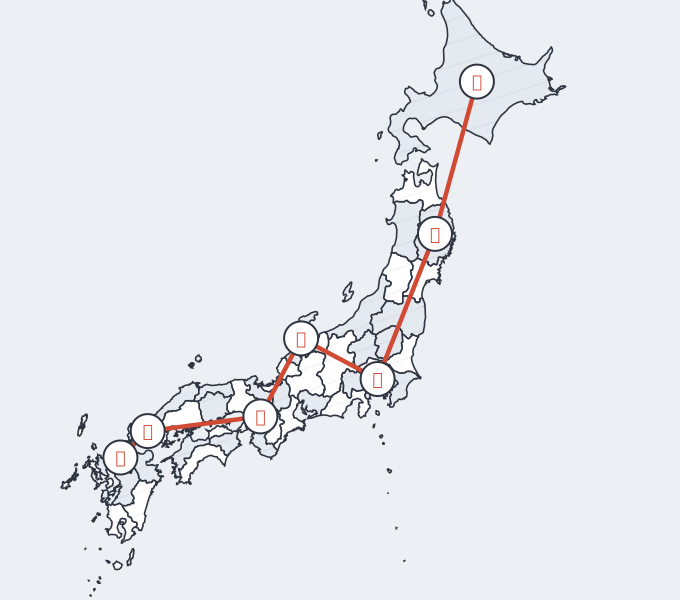
Kikitoru turns learning into a quest game over the Japan map, using real destinations created by transposing the intricate Japanese learning graph over actual locations and attractions.
Clear learning nodes, unlock real places, collect stamps and medals, and let the route pull grammar, vocabulary, kanji, listening, and speech practice into one playable journey.
The Kikitoru route map
A learning graph becomes real destinations across Japan. Each region unlocks as your Japanese grows.



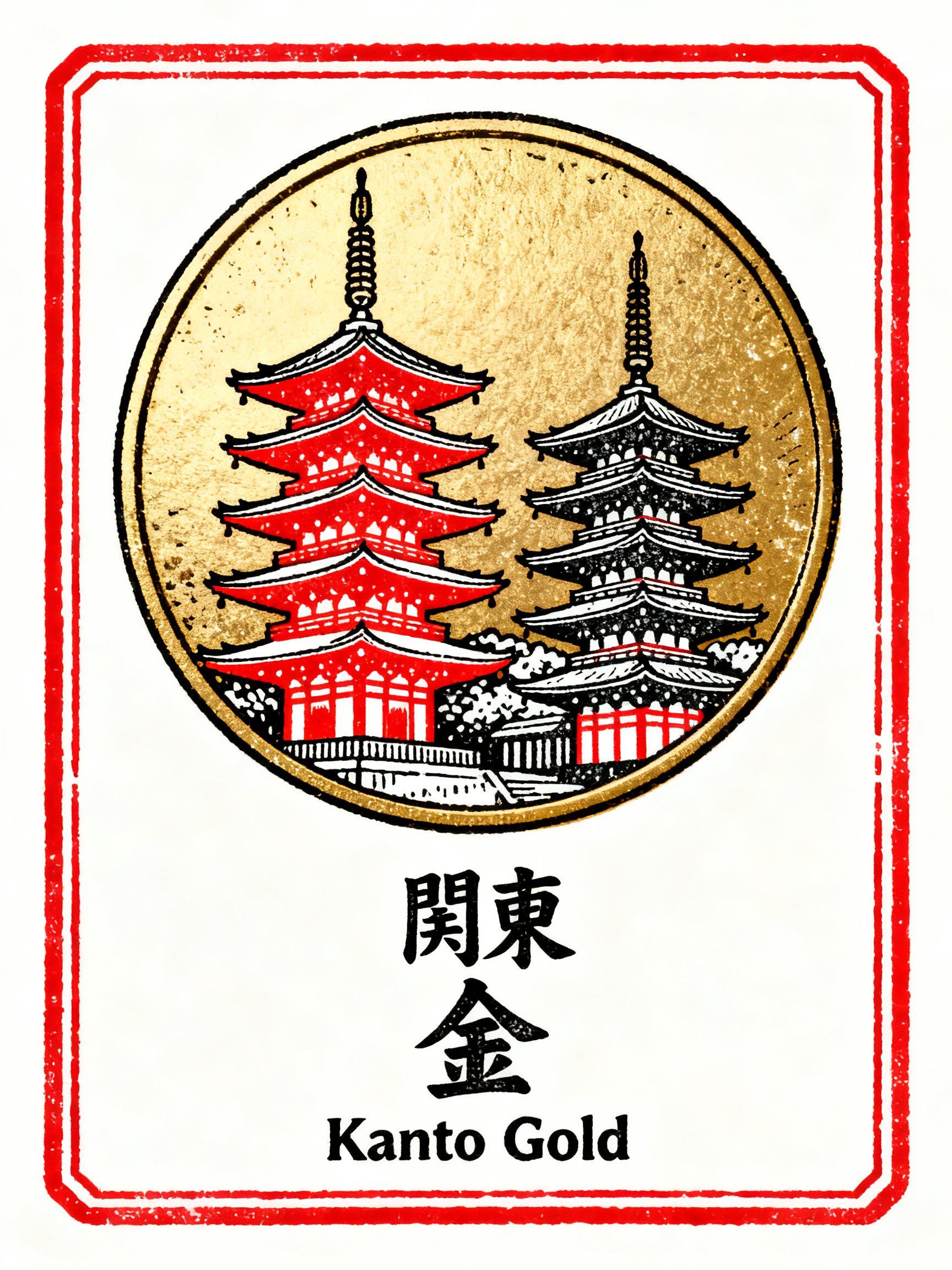
Your progress becomes a passport
Every cleared stop can become a stamp, a seal, or a medal. It gives the small daily work a souvenir: not just points, but a travel record you can recognize at a glance.
What learners see inside
Journey Desk
XP, streak, words, listening time, next stop, and the route ledger in one dashboard.
Review Tickets
Vocab, kanji, and grammar reviews are mixed together because real Japanese does not arrive in neat boxes.
Shadowing
Listen, repeat, and compare. It is practice, not a perfect pronunciation trophy cabinet.
Sensei
Ask for help when a sentence, grammar point, or route task stops making sense.
Practice Quotas
Small daily supplies and tickets keep the app from pretending every day is a marathon.
Feedback Loop
Learner notes go straight into the solo-dev build list. Sometimes that is messy. It is also fast.
What powers Kikitoru
A mix of lesson design, AI help, listening practice, travel context, and a lot of hand-tuned Japanese content.
Kana, grammar, vocabulary, kanji, listening, sentences, and travel phrases connected into one route.
Agents and language models help explain, generate, check, and organize Japanese practice.
A Japan route map, passport, saved places, stamps, and medals make progress visible.
Audio, shadowing, and checks help learners connect written Japanese to what they hear.
Spaced review keeps old words, kanji, and grammar from quietly disappearing.
Built in Tokyo by a Japanese learner who wanted the app to feel like daily study and travel belonged together.
Build log
Notes from building the product: learning design, AI workflows, maps, content, infrastructure, and the parts that broke along the way.
Why We Left GitHub
Reliability failures, GHCR downtime, and the point where I stopped trusting the default path.
02Architecture & Topology
4 GKE node pools, CI job graphs, and the full migration map.
03What Broke
21 gotchas. 6 expected, 15 discovered at 2 AM.
04Results & Costs
12-minute pipeline, about $3/month, GCP 99.95% SLA. Worth it, with caveats.
05The Dagger.io Plan
Why YAML pipelines started feeling like the wrong abstraction for this project.

Built by one developer in Tokyo
I am Amit Mor, a full-stack developer and Japanese learner in Tokyo. A lot of Kikitoru comes from frustration: vocab over here, grammar over there, listening somewhere else, and no feeling that it adds up. I am trying to make the Japanese app I wanted to use every day.